

Have you noticed signs that your child is sneak eating? Maybe you’ve found empty wrappers under your child’s bed or discovered a hidden stash of snacks in their closet. Parents often ask us what to do when they discover their child is eating in secret or hiding food. It’s a situation that can bring up a lot of emotions.
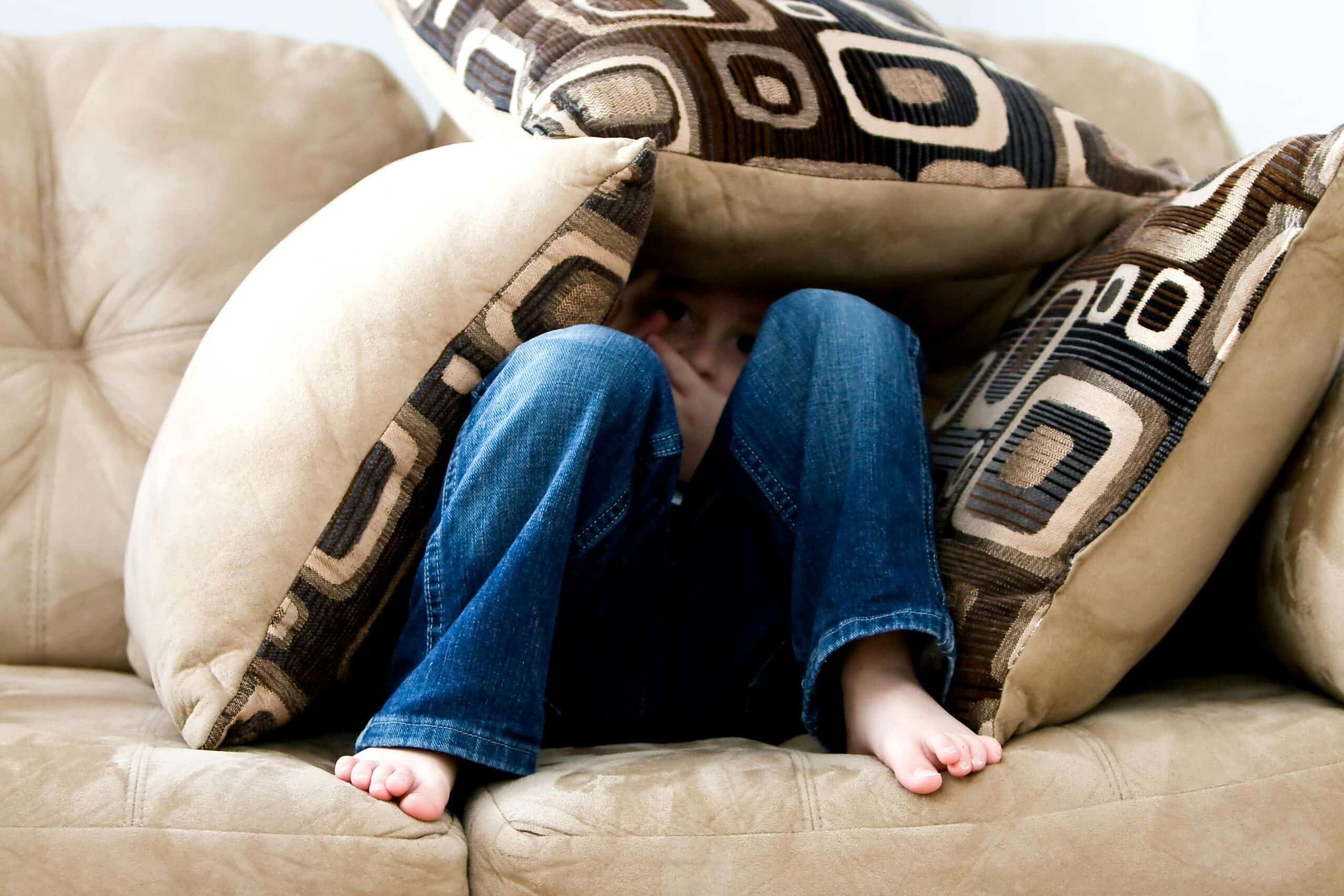
What Sneak Eating Can Look Like
Sneak eating can show up in many different ways, including:
- You come around the corner and find your child in front of the pantry, startled and trying to hide what they’re eating.
- You’re tidying up your child’s room and find candy tucked under a pile of clothes in the closet.
- You notice food disappearing from the pantry, but you haven’t seen anyone eating it.
- You find food wrappers hidden behind your child’s bed or under furniture.
This isn’t an exhaustive list, but examples of various ways you may suspect secretive eating.
Your Reaction Matters
When you first identify sneak eating, your first instinct might be confusion, sadness, or even anger. You may wonder, Why would they do this? Why didn’t they just ask? Do they not trust me? You might also worry that this behavior signals something more serious, like an eating disorder.
All of these reactions are valid. Sneak eating can trigger a flood of emotions — and it’s important to give yourself a moment to process them before responding.
Step One: Take a Deep Breath
When you discover evidence that your child may be sneak eating, the first and most important thing you can do is pause. Take a deep breath and ground yourself before you say anything to your child.
Children who sneak food often already feel shame or fear about their eating. Reacting with anger or punishment can make those feelings worse and may even reinforce the secrecy. Instead, aim to approach the situation with curiosity.

Don’t Try to Solve It in the Moment
If you catch your child sneak eating in real time — say, standing at the pantry or eating alone in their room — try not to interrogate or confront them right then. Being asked to explain themselves while eating may increase shame and defensiveness and could even worsen the behavior over time.
Instead, gently redirect in a nonjudgmental way. You might say: “How about we bring those chips to the table? I’ll sit with you while you eat.”
If it makes sense, you could offer to add something to the food they are eating, “Can I grab you some apples and peanut butter or make you a sandwich?” This response strives to avoid a message of food restriction and invites connection.
Get Curious — Not Critical
Once you’ve had time, that may be a moment or several days, to reflect, you can begin to explore what’s behind the behavior. Sneak eating isn’t inherently “bad” — it’s often a signal. The goal isn’t simply to stop the behavior; the goal is to figure out why it is happening and what needs to change or what support your child may need for the behavior to decrease.
But, Why Do Kids Sneak Food?
There are many possible reasons a child may sneak or hide food:
- Food restriction at home. If a child is frequently told they’ve had “enough” or that certain foods are off-limits, they may feel they need to sneak food to get enough or to eat certain foods. It may be helpful to be curious if your child is feeling restricted.
- Food scarcity. In homes with food insecurity or unpredictable access to food, children may hoard or hide food out of genuine need to feel safe.
- Shame or guilt about eating. If a child has received negative messages about food, their appetite, or body size, they may sneak food. They may feel shame about eating or eating enough in front of others and feel they have to start sneaking food.
- Desire for autonomy. Sometimes, children sneak food because they want a sense of control or independence, especially if their food or other activities are overly monitored.
- Emotional self-soothing. Food may be used as a coping tool for stress, anxiety, or loneliness — and secrecy can stem from knowing this isn’t “allowed” or feeling embarrassed about it. Emotional eating isn’t inherently a bad thing and is a fairly resourceful and accessible coping skill for children.
- Fear of missing out. If a child worries that their favorite snack will be eaten by someone else in the home, they may try to hide or hoard it for later.
Understanding the “why” helps reframe sneak eating from a misbehavior that needs to be stopped to a communication of something your child needs.
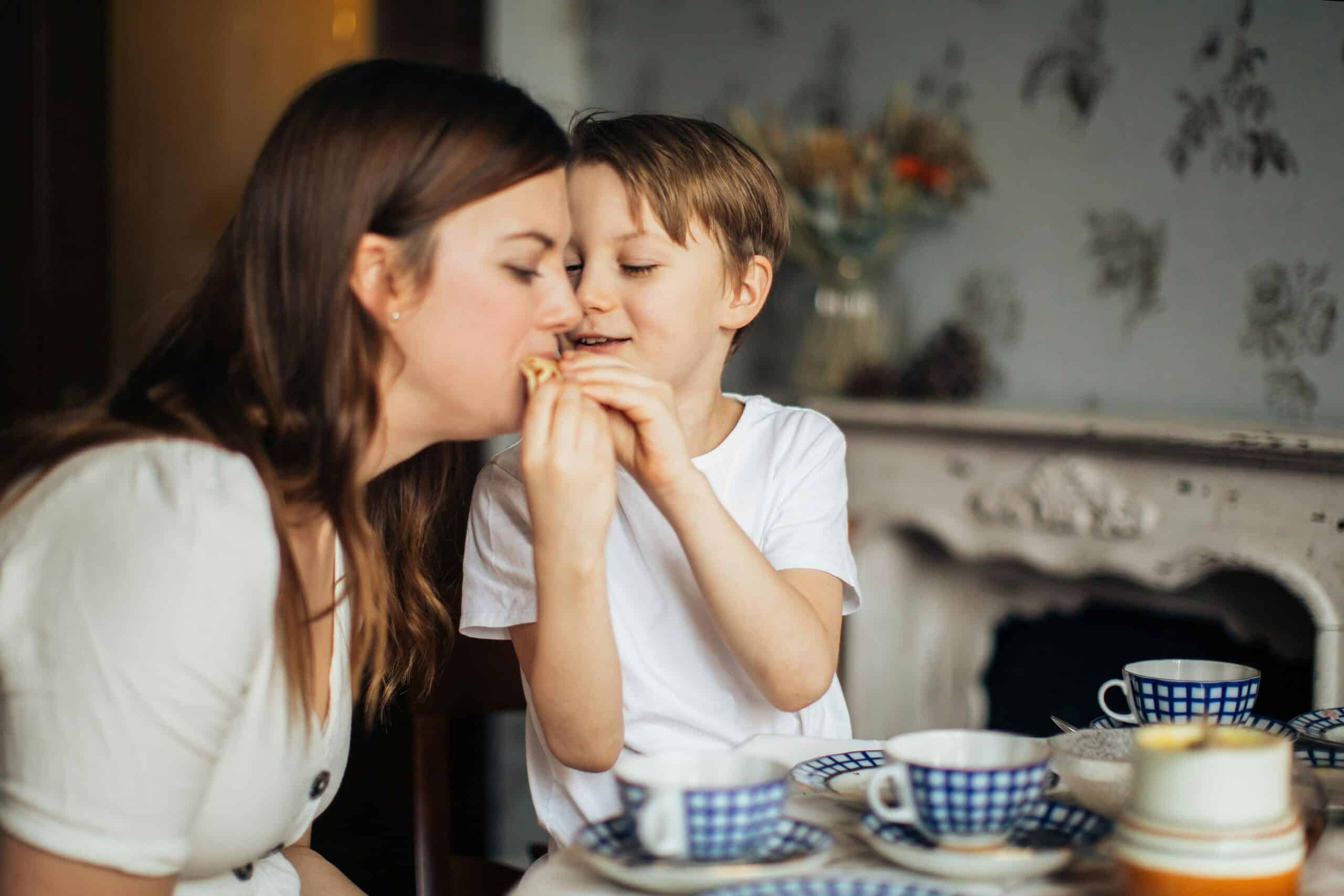
What You Can Do if Your Child is Sneaking Food
Once you’ve identified some possible reasons behind the behavior, you can begin to build a plan to support your child. This might include:
- Creating structure and predictability around food. Ensure that meals and snacks are offered consistently and allow your child to decide how much food they eat.
- Avoiding restricting food. Try to include all types of food, even sweets and packaged snack foods. Evaluate what could be feeling restrictive to your child. Offer a solution, like setting aside a portion of their favorite snack so they know there will be some available to them.
If you’re also worried about how much your child is eating overall, this post is for you: Are You Worried Your Child Eats “Too Much” or “Too Little”? - Actively offering foods that the child feels are “off-limits”: If your child’s sneak eating has shed light on the fact your child feels restricted from certain foods, it may be helpful to actively offer those foods for awhile so that the child no longer feels restricted. For example, if your child is sneaking sweets and sweets are rarely offered, you might start to offer a sweet in their lunchbox or with dinner daily.
- Considering your language about food and bodies. Do not label foods as “good” or “bad” or label people who eat certain foods as “being good” or “being bad.”
- Modeling a positive relationship with food. Take time to stop and eat meals. Children learn from how we talk about food, bodies, and eating. Check out the Sunny Side Up Nutrition Feeding Framework for guidance.
- Seeking support if needed. If sneak eating continues, your your child appears distressed, your child is sneaking food and lying, or you suspect that sneak eating is a way to cope with negative emotions, it may be helpful to consult with a therapist and/or a pediatric dietitian who is experienced in treating disordered eating.
Love this post and want to save it for later?
Just fill in your email address below, click “Save It” and get it delivered right to your inbox.
Final Thoughts
If your child is sneaking food, it doesn’t mean you’ve failed or done anything wrong as a parent. It simply means something is going on that needs some attention, and you have the opportunity to respond, an important part of responsive feeding, with empathy, curiosity and care.

We’re Elizabeth & Anna!
It’s great to have you here. We’re registered dietitians and we share tips to support you in raising kids with a healthy relationship with food.






Yes, Thank you for sharing your experience.
Thank you for this. I’m in my 40’s and only recently while going through unraveling my relationship with food did I realize that my hiding food in the closet was tied to having food restricted as a child because of “fears of becoming fat”. For decades I thought my hunger as a child was a failing and only recently had the realization that it was tied to not getting enough food.
Please try to not respond out of anger to a child that hides food. Don’t do what my parent did and throw the half eaten snack at me.
Thank you so much for your comment and offering some lived experience insight for parents.